| iterator begin() noexcept; |
(1) | (since C++11) |
| const_iterator begin() const noexcept; |
(2) | (since C++11) |
| const_iterator cbegin() const noexcept; |
(3) | (since C++11) |
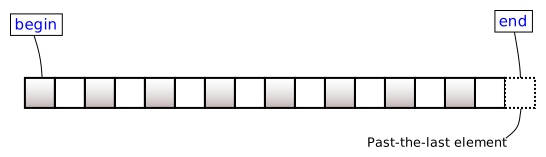
Returns an iterator to the first element of the forward_list.
If the forward_list is empty, the returned iterator will be equal to end().
Parameters
(none)
Return value
Iterator to the first element.
Complexity
Constant.
Example
#include <algorithm>
#include <iostream>
#include <numeric>
#include <string>
#include <forward_list>

int main()
{
    std::forward_list<int> nums{1, 2, 4, 8, 16};
    std::forward_list<std::string> fruits{"orange", "apple", "raspberry"};
    std::forward_list<char> empty;

    // Print forward_list.
    std::for_each(nums.begin(), nums.end(), [](const int n) { std::cout << n << ' '; });
    std::cout << '\n';

    // Sums all integers in the forward_list nums (if any), printing only the result.
    std::cout << "Sum of nums: "
              << std::accumulate(nums.begin(), nums.end(), 0) << '\n';

    // Prints the first fruit in the forward_list fruits, checking if there is any.
    if (!fruits.empty())
        std::cout << "First fruit: " << *fruits.begin() << '\n';

    if (empty.begin() == empty.end())
        std::cout << "forward_list 'empty' is indeed empty.\n";
}1 2 4 8 16
Sum of nums: 31
First fruit: orange
forward_list 'empty' is indeed empty.See also
| returns an iterator to the end (public member function) | |
| (C++11)(C++14) |
returns an iterator to the beginning of a container or array (function template) |
Content from this page on cppreference.com, licensed under CC-BY-SA 3.0 and GFDL. Modified: restyled, site navigation removed, code windows added. Offline snapshot of 9 February 2025.